Sealing Elements · Symmetric Seals & Chevron Packings
CatalogSymmetric Seals & Chevron Packings — Full Range
Symmetrical piston/rod u-cups (usable on either side without changing the groove design) plus chevron/V-packing sets for high-pressure reciprocating service. — 2960 SKUs across 6 profiles.
Return to ShopKnow the size but not the profile? Search by dimension (mm) to see which profile(s) match
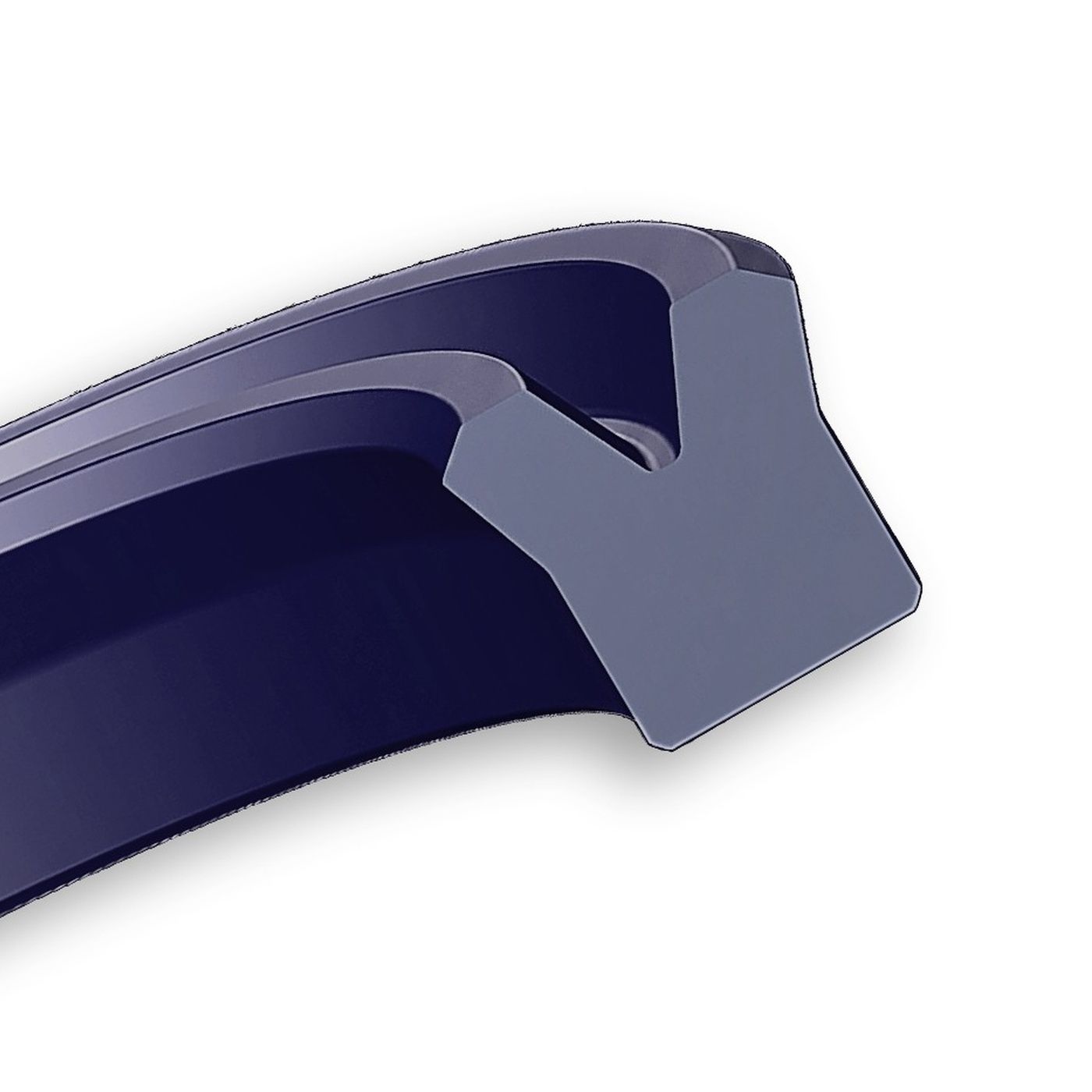
T1T
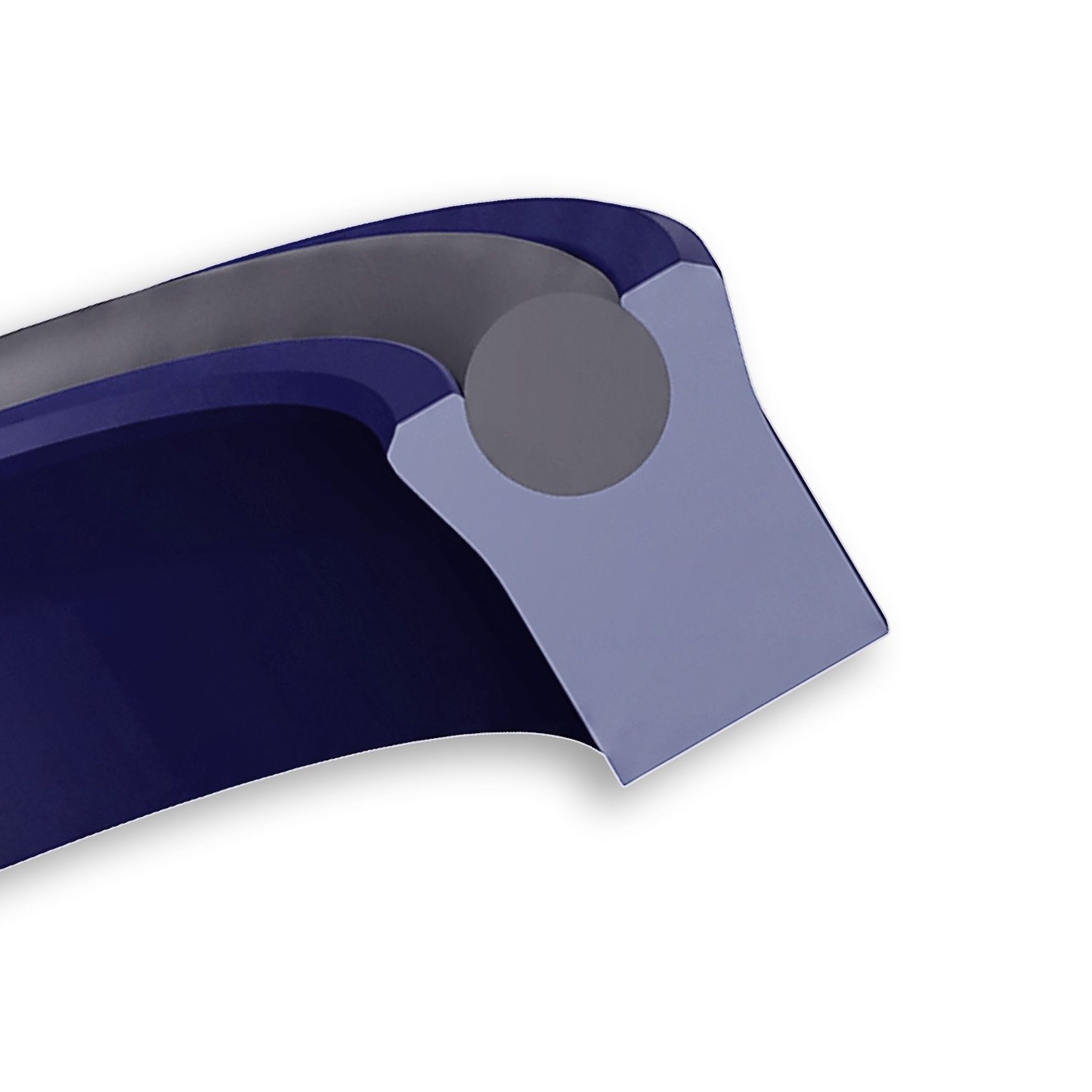
T2W
T2V
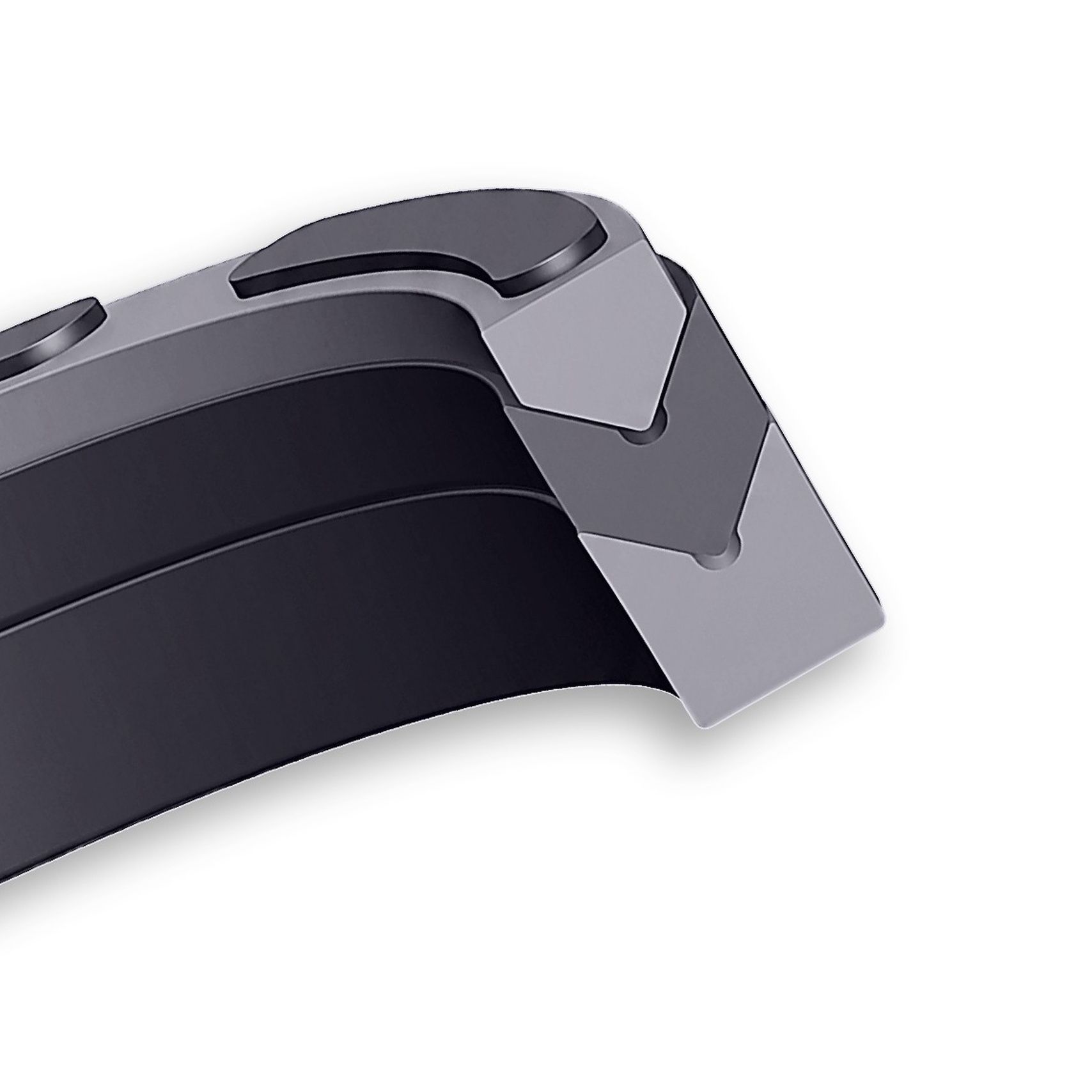
C1G
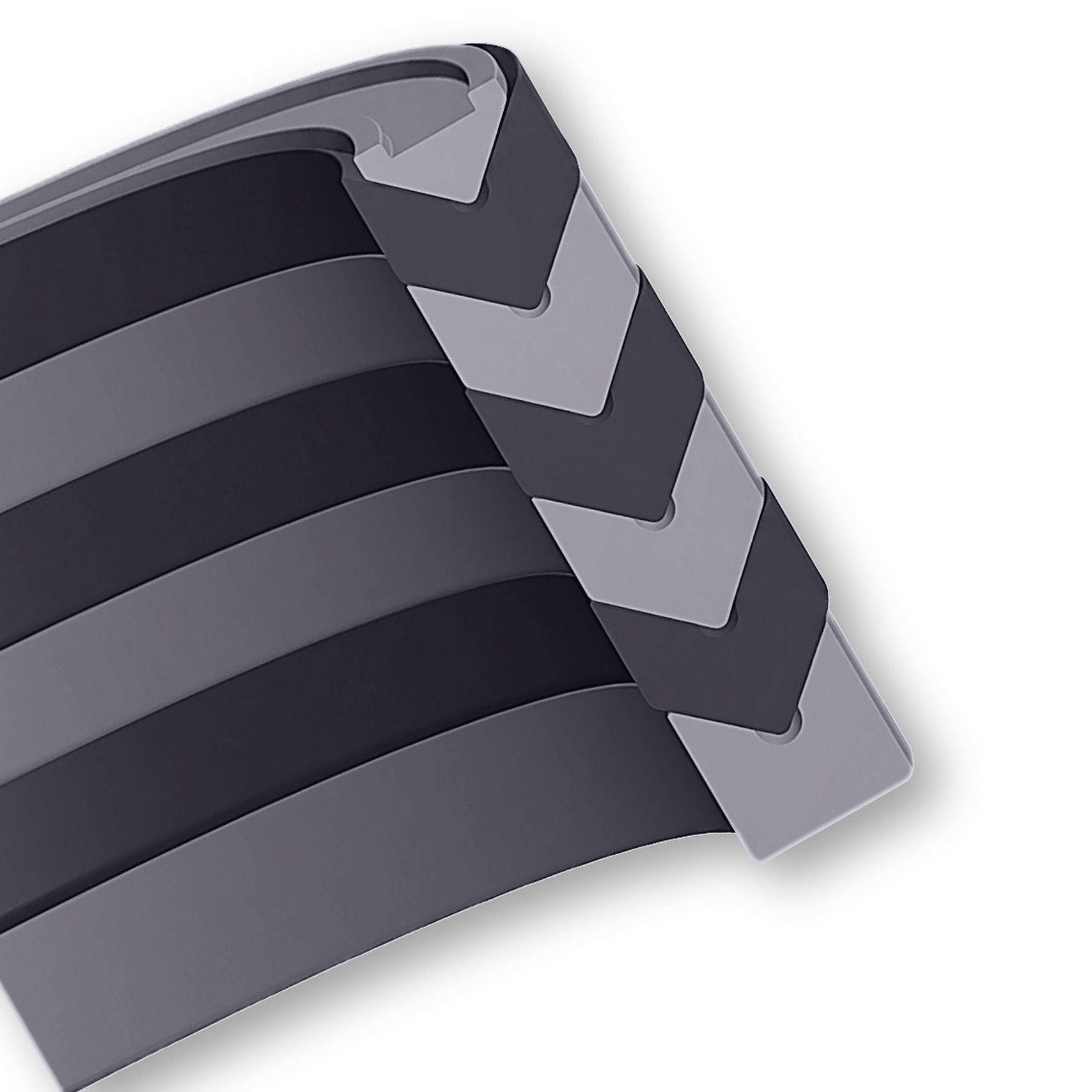
C1A
C1DNeed a custom size or a different material? Contact us for any non-standard requirement in this category.
Contact us →Hover or click a profile to see a technical resume.
| SKU | Profile | ID mm | OD mm | Height mm | Width mm | Material | Actions |
|---|
Two things on this page
Symmetrical U-seals — one profile that works rod-side or piston-side, simple closed-groove install. Chevron / V-packing sets — multi-ring stacks for open housings that can be serviced ring by ring without pulling the whole gland.
Symmetrical U-seals
- T1T — the cost-effective standard: NBR 90 Sh to 160 bar or PU 92 Sh to 400 bar, 0.5 m/s, broadest size range.
- T1C-type (O-ring energiser between the lips) — 92 PU / 70 NBR, 400 bar. Holds sealing contact at low pressure and reacts faster to spikes and direction changes.
- D4P-type — same symmetrical U-ring data, ~2,000 standard sizes; construction, forklift, injection-moulding and agricultural cylinders.
Chevron / V-packing sets
- C1G — 3-piece piston set: POM front ring, two fabric-reinforced NBR rings. 400 bar, −30/+105 °C.
- C1A — 7-piece rod set: POM front, three fabric-NBR, two NBR, one fabric-NBR back ring. Set the open housing’s B height 7.5 % above total stack height; do not overpress on assembly.
- C1D — 5- or 7-piece single-acting rod stack, reinforced cotton-fabric chevrons with NBR (400 bar, −30/+100 °C) or FKM (400 bar, −15/+150 °C). Stack height adjustable by adding or removing V-rings — the reason to choose it over a moulded seal on steel-mill, mining and marine hydraulics.
Setting a chevron set
Fit into the open housing to the recommended B height, pressurise, then tighten the follower in small steps until leakage just stops. Overpressing the rings drives friction and heat and wears the stack fast.
