
Cassette Seals
Multi-lip metal-cased seals for contamination-heavy rotating applications — agriculture, mining, and heavy industry.
Overview
Advanced sealing for harsh rotating applications
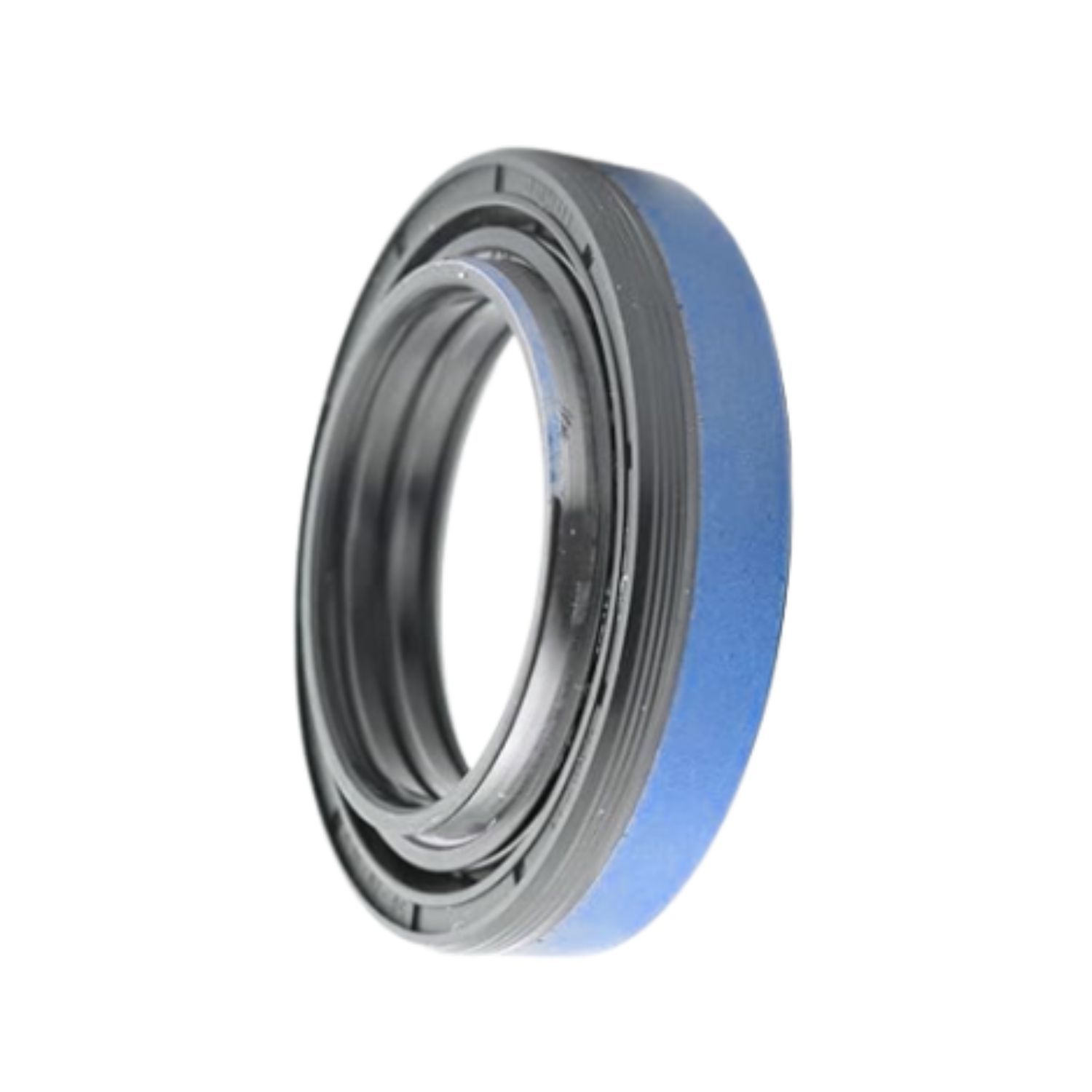
Cassette seals (also called cartridge seals or labyrinth seals) are engineered solutions for demanding rotating shaft applications where a standard single-lip oil seal is inadequate. They combine multiple sealing lips and an integrated metal housing in a pre-assembled unit that simplifies installation compared to fitting multiple individual seals separately.
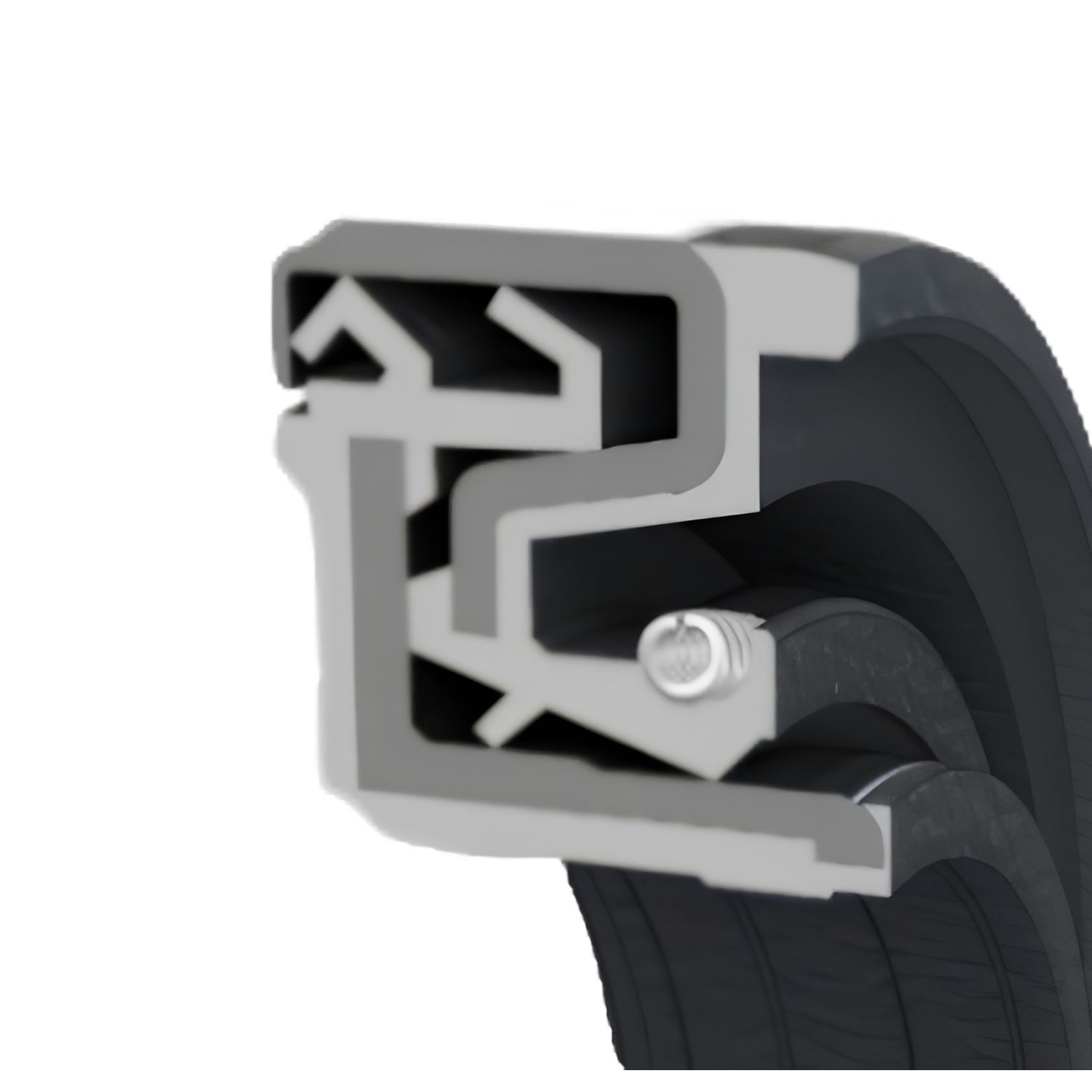
The multi-lip design provides 4 to 6+ sealing and exclusion contact points, compared to 1–2 for a standard oil seal. This architecture handles heavy abrasive contamination — dust, mud, water, and rock particles — that would destroy a conventional lip seal within a fraction of its designed service life.
Cassette seals are standard equipment on tractor front axles, combine harvesters, wheel hub assemblies, off-highway vehicle drive axles, and any rotating joint that operates in consistent exposure to abrasive contamination.
Design Reference
Construction and performance advantages
Multi-lip contamination barrier system
The effectiveness of a cassette seal comes from stacking multiple exclusion and retention functions in a single assembly. Each lip serves a distinct purpose.

| Lip Position | Function |
|---|---|
| Outer exclusion lip(s) | First barrier against coarse contamination — mud, water, crop residue, sand. Typically reinforced or bi-directional geometry. |
| Labyrinth or slinger zone | Creates a centrifugal throw-off zone that prevents fine particles from reaching the sealing lips. Works on the same principle as a V-ring. |
| Inner dirt exclusion lip | Fine-particle barrier against abrasive dust that has passed the outer lip. This is what a standard oil seal tries to do alone — in a cassette, it's protected by everything outboard of it. |
| Lubricant retention lip | Primary grease/oil retention lip. Works in a clean, protected environment — not exposed to contamination. |
| Metal housing / case | Provides a rigid reference for lip positioning relative to the bore. Proper installation tooling required — contact us for guidance. |
Cassette vs. standard oil seal — comparison

| Criterion | Standard Oil Seal | Cassette Seal |
|---|---|---|
| Contamination barriers | 1–2 lips | 4–6+ lips |
| Installation | Individual seals installed one by one — more variables | Pre-assembled unit — fewer parts to position, but proper tooling still required. Consult us for installation method. |
| Shaft surface finish sensitivity | High — requires precise Ra and hardness | Generally lower sensitivity to minor shaft imperfections due to the integrated housing geometry |
| Service life in heavy contamination | Months to 1 year in severe conditions | Significantly extended — multiple barriers delay contamination penetration |
| Pre-lubricated | No | Yes — factory-packed with grease at the retention lip |
| Cost | Lower upfront | Higher upfront, lower total cost of ownership in severe service |
Typical dimensions and cross-sections

Cassette seals are specified by shaft diameter (d), outer housing bore diameter (D), and seal width (B). When ordering a replacement, measure all three dimensions from the original part or the housing — these dimensions do not always follow standard shaft seal series.
Materials
Lip and housing materials
NBR (Nitrile) Lips
FKM (Viton®) Lips
PTFE Retention Lip
Steel / Stainless Case
Need cassette seals for your equipment?
Send us shaft diameter, housing bore, seal width, and OEM part number if available — we'll source the right cassette and confirm fit before you disassemble.
Request a Quote